The Leadership Talent Companies are Quietly Losing

With the excitement building around The Devil Wears Prada 2 - and regardless of whether you see the movie or like it - I find myself reflecting not just on Miranda Priestly’s return, but on what she represents for women navigating leadership in later stages of their lives.
In The Devil Wears Prada 1, Miranda, brought to life so brilliantly by Meryl Streep and inspired in part by fashion icon Anna Wintour, represents a kind of leadership that sharpens—not fades—with age. Both women achieved extraordinary influence in their 50s and beyond, challenging the persistent myth that leadership has an expiration date.

Their stories resonate with me personally.
I joined Sodexo in my mid 40s—a time when many women begin to question whether their greatest leadership opportunities are behind them. Instead, it was the beginning of one of the most meaningful chapters of my career. I spent the next two decades growing, leading, and helping to shape global diversity, equity, and inclusion efforts- ultimately leaving the organisation 20 years later with an iconic inclusive brand and personally with a deep sense of purpose and accomplishment.
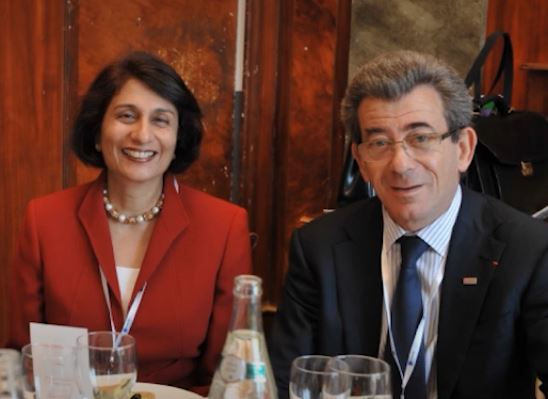
But I also recognise that my story is not the norm for many women today. I was fortunate to have leaders who trusted me and sponsored me, who saw something in me that I had forgotten existed.
Women in their 50s and 60s are at the peak of their potential- having raised their children and launched them successfully, they can now focus on themselves and their careers. But this is an age that corporations see as an expiry age and women are overlooked and sidelined. These women leaders are experiencing what has been described as a “silent revolution.” Despite reaching peak experience, many are walking away from organisations due to intensified ageism, sexism, and a lack of corporate support. Midlife often also brings with it competing responsibilities—caring for ageing parents, supporting family members, managing health transitions—yet workplaces have been slow to evolve to meet these realities.

The loss is profound—not just for women, but for organisations.
When experienced women leave at the height of their capability and potential, businesses lose institutional knowledge, strategic insight, and leadership maturity that cannot be easily replaced. And for the women themselves, stepping away is often less about choice and more about survival in environments that fail to recognise their contributions and their evolving needs.
With the return of Miranda Priestly, perhaps the deeper question is this: how many real-life Mirandas are quietly stepping away from leadership roles today—not because they lack ambition or capability, but because the systems around them were never designed to support longevity in leadership? Or because systemic bias fails to recognize the potential and contributions of women.
For women struggling in their 50s and 60s, feeling unseen or uncertain about what comes next, I offer this reflection:
Your experience is not a liability—it is your greatest leadership asset.
And for organisations, the message is equally clear:
Valuing experienced women leaders is not just about equity—it is about sustaining leadership excellence, critical to the success of organizations in a complex, competitive world.
The future of leadership will not be defined by youth alone. It will also be shaped by those whose shoulders future generations have come on- those who bring wisdom, resilience, and perspective earned over decades—and many of those leaders are women who are just hitting their stride in midlife.

Did you know? You can subscribe to my newsletter to get access to incisive articles, analysis, and key data on global trends in Inclusion & Belonging. Sign up here.



Comments